/ Approach
How an engagement unfolds.
Four phases, the same every time. We start with the workflow, not the tools.
Diagnose
We start inside your actual workflow: what exists, what is stalled, and which constraint was set by tooling rather than by the work.
- Workflow audit
- AI usage inventory
- Data readiness
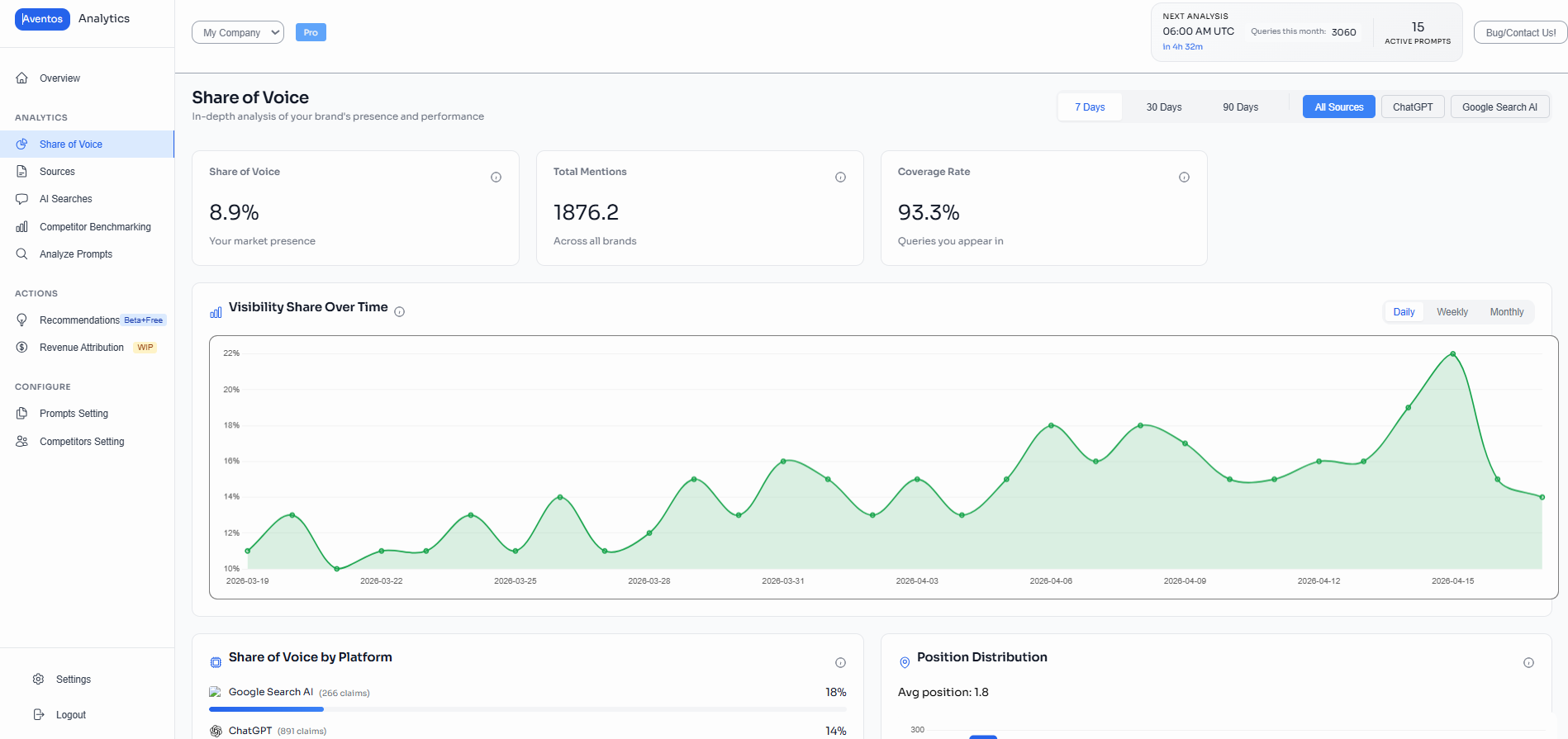
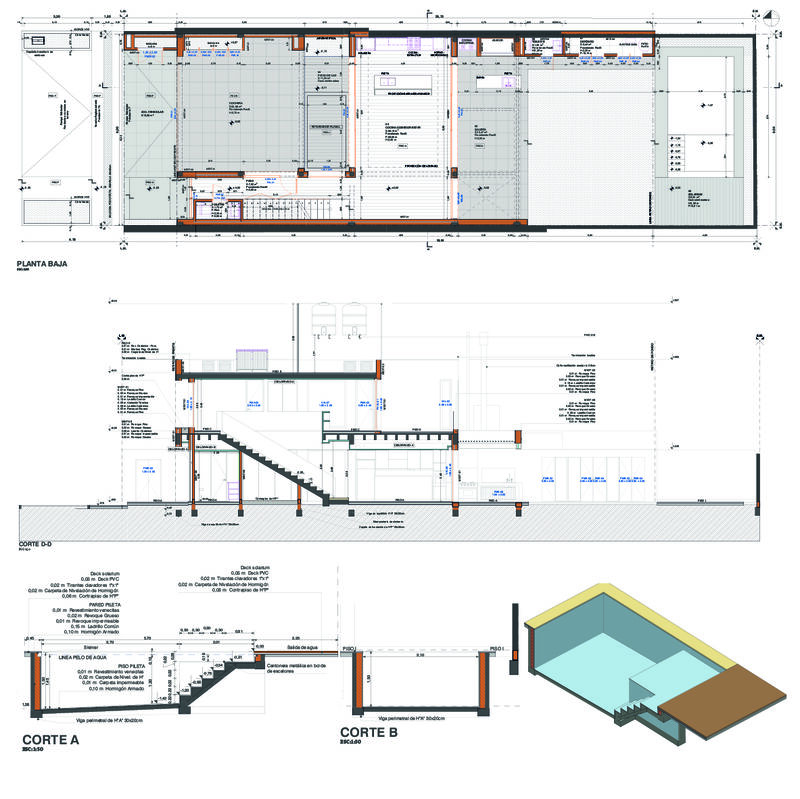
Design
One workflow, one data source, one success test. The smallest system that proves the point.
- Opportunity ranking
- Architecture sketches
- Go / no-go call
Build
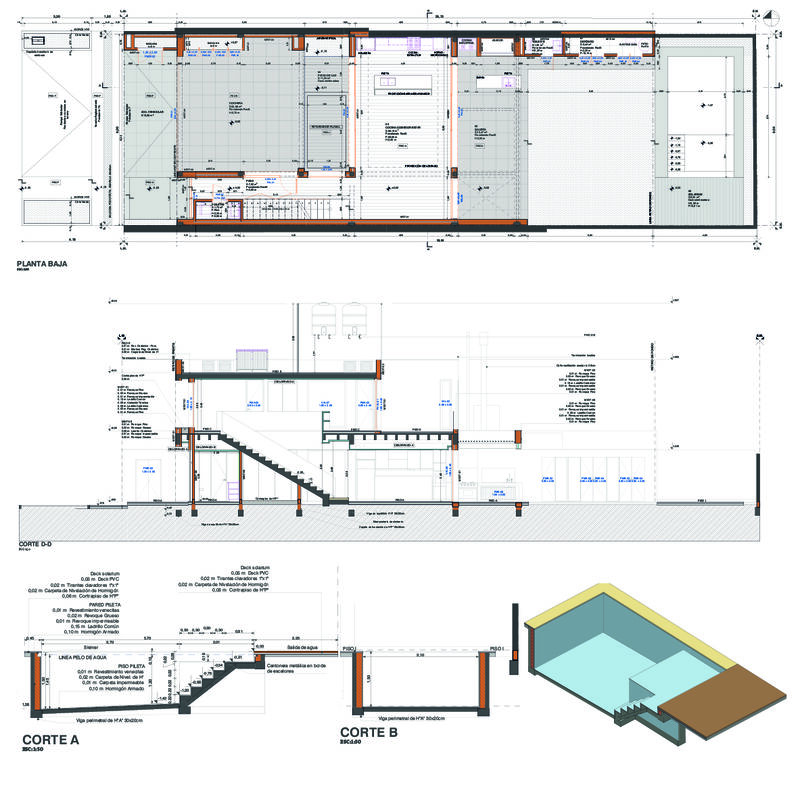
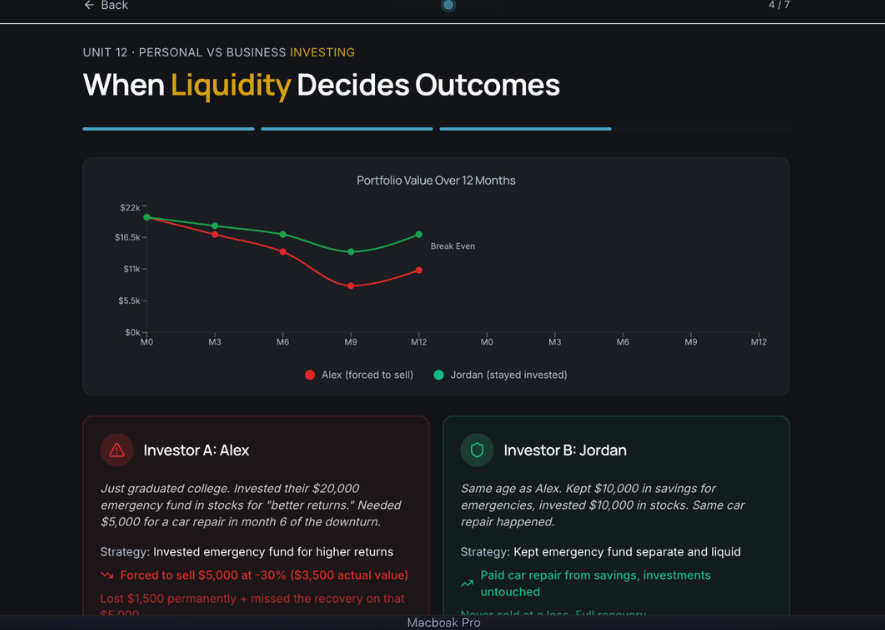
A working system in your environment: code, prompts, evals and infrastructure, written by the people who scoped it.
- Multi-model pipelines
- Guardrails & evaluation
- Production infrastructure
 Pink Inference
Hand it over
The code, the documentation, the runbooks and a recorded walkthrough. Built so your team runs it without us.
- Full source + docs
- Runbooks
- Handoff sessions
/ Ways to work together
Three entry points.
A 30-minute audit
We look at where your AI work is stuck and where the real opportunity is, and tell you what we would build first. If we are not the right fit, we say so on the call.
See it working in five days
A working prototype on your data, in your environment. You see the approach in action, watch how it behaves on real cases, and use it to plan the actual build.
Production in five weeks
One workflow taken to production: evals, guardrails, the handover documentation and a recorded walkthrough. Two weeks of fixes after handover are included.
/ Principles
What we believe.
Diagnosis before implementation.
If AI is only making your old workflow faster, you're solving the wrong problem.
New workflows, not patched ones.
We design around what AI makes possible now. Not what was possible before.
You own what we build.
Full code, full docs, full handover. No proprietary middleware.
Honest about fit.
If AI is not right for your problem, we will tell you on the first call.
Your environment, your data.
Code runs where you run it. Named access, revoked at handover. Insurance and vendor kit on request.